
Introduction
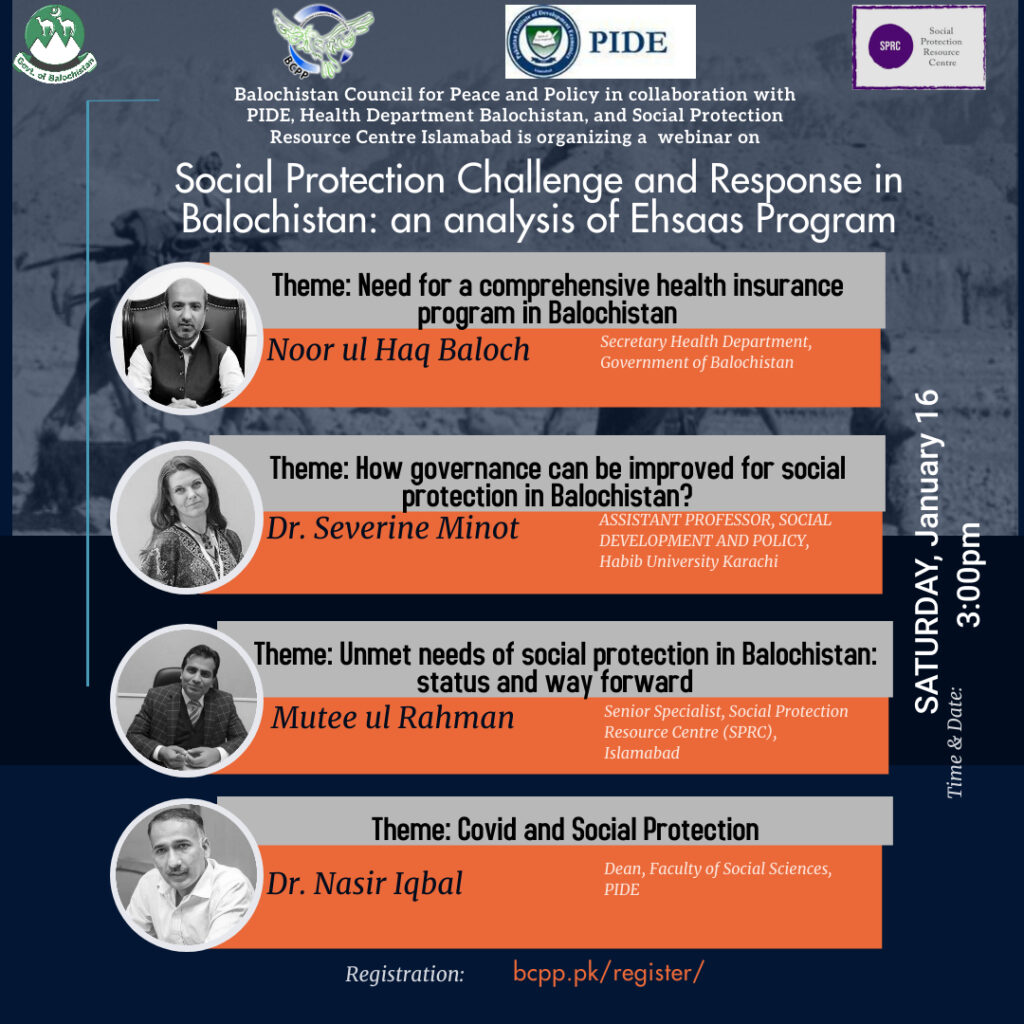
Social protection has become a critical pillar for reducing poverty and inequality in developing countries. In Pakistan, where a significant portion of the population faces economic vulnerability, the government has introduced several initiatives to support low-income households. Among these, the Ehsaas Program stands out as one of the most comprehensive social protection strategies in the country’s history.
This article explores Pakistan’s social protection policy with a detailed analysis of the Ehsaas Program, its objectives, impact, and challenges.
Understanding Social Protection in Pakistan
Social protection refers to policies and programs designed to reduce poverty, vulnerability, and social exclusion. In Pakistan, these policies focus on:
- Income support for low-income families
- Access to healthcare and education
- Employment opportunities
- Protection against economic shocks
Before Ehsaas, initiatives like the Benazir Income Support Programme (BISP) laid the foundation. However, fragmented efforts and limited coverage highlighted the need for a more integrated approach.
What is the Ehsaas Program?
Launched in 2019, the Ehsaas Program is Pakistan’s flagship social protection initiative aimed at reducing inequality and uplifting marginalized communities. It operates under a multi-sectoral framework, combining financial assistance, human development, and economic empowerment.
Key Objectives
- Reduce poverty and inequality
- Empower women financially
- Improve access to education and health
- Provide safety nets during economic crises
Major Components of the Ehsaas Program
1. Ehsaas Kafalat
A direct cash transfer program providing financial support to low-income women. It promotes financial inclusion by linking beneficiaries with bank accounts.
2. Ehsaas Emergency Cash
Introduced during the COVID-19 pandemic, this initiative provided immediate financial relief to millions of families affected by lockdowns and economic disruptions.
3. Ehsaas Nashonuma
Focused on tackling child malnutrition and stunting by providing conditional cash transfers to mothers for proper nutrition and healthcare.
4. Ehsaas Education Stipends
Encourages school enrollment by offering financial incentives to families for sending their children to school, especially girls.
5. Ehsaas Interest-Free Loans
Provides small loans to promote entrepreneurship and self-employment among low-income individuals.
Impact of the Ehsaas Program
Poverty Reduction
The program has helped millions of households meet basic needs, reducing extreme poverty levels in targeted regions.
Women Empowerment
By directing cash transfers to women, Ehsaas has improved their financial independence and decision-making power within households.
Digital Transformation
The use of biometric verification and digital payments has increased transparency and reduced corruption.
Crisis Response
During emergencies like COVID-19, the program proved effective in delivering rapid financial assistance.
Challenges and Limitations
Coverage Gaps
Despite its scale, some deserving families remain excluded due to outdated data or lack of registration.
Fiscal Constraints
Pakistan’s limited financial resources pose challenges for long-term sustainability.
Administrative Issues
Implementation hurdles, including delays and verification issues, affect efficiency.
Awareness Problems
Many eligible individuals are unaware of how to register or access benefits.
Role of Social Policy Resource Centres
Social policy research organizations play a vital role in evaluating programs like Ehsaas. They:
- Analyze policy effectiveness
- Recommend improvements
- Promote data-driven decision-making
- Highlight gaps in implementation
Their research helps ensure that social protection programs remain effective, transparent, and inclusive.
Future Directions
To strengthen Pakistan’s social protection system, the following steps are essential:
- Updating beneficiary databases regularly
- Expanding program coverage to underserved areas
- Increasing budget allocation for social welfare
- Enhancing public awareness campaigns
- Integrating technology for better service delivery
Conclusion
The Ehsaas Program represents a significant shift in Pakistan’s approach to social protection. By combining financial assistance with human development initiatives, it addresses both immediate needs and long-term poverty reduction.
While challenges remain, continued reforms, better data systems, and strong policy support can make Ehsaas a model for inclusive social protection. For policymakers and researchers, it offers valuable insights into building resilient welfare systems in developing economies.