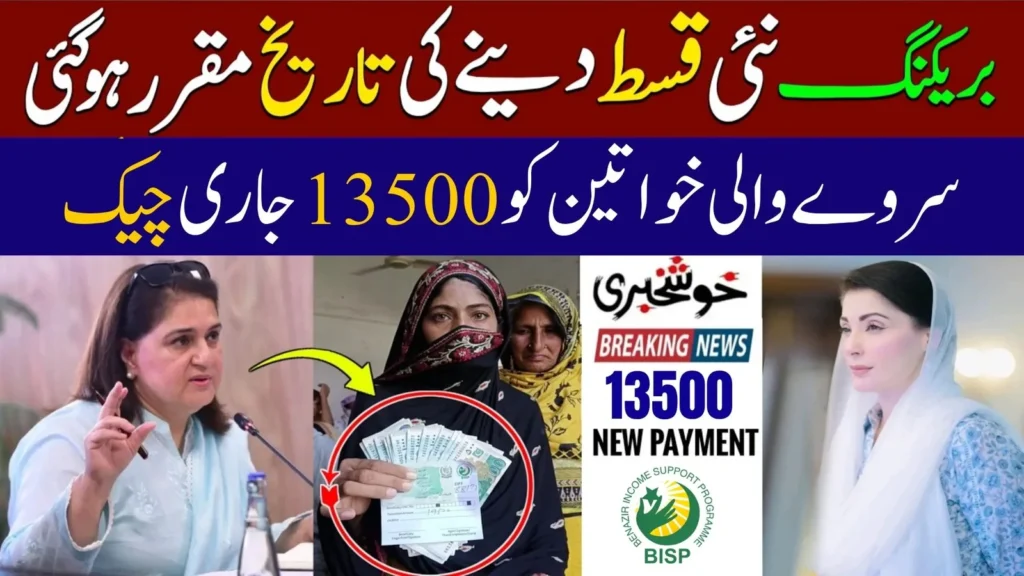

The Ehsaas Program remains one of Pakistan’s most important social welfare initiatives, designed to support low-income families through financial assistance, scholarships, and emergency cash transfers. As we move into 2026, many beneficiaries are searching for updated information about Ehsaas Program payment dates, eligibility, and collection methods.
This complete guide explains the expected payment schedule for 2026, how beneficiaries can check their status, and the safest way to receive funds without fraud.
What is the Ehsaas Program?
The Ehsaas Program is a government-backed financial support system that helps deserving families across Pakistan. It includes multiple schemes such as:
- Cash assistance for low-income households
- Educational scholarships for students
- Emergency financial aid during crises
- Support for widows, elderly citizens, and disabled individuals
The program aims to reduce poverty and ensure financial stability for vulnerable communities.
Ehsaas Program Payment Dates 2026 (Expected Schedule)
While exact payment dates may vary depending on government announcements and verification cycles, the Ehsaas payment system in 2026 is expected to follow a quarterly distribution model.
Expected Payment Cycles 2026:
- January – March 2026: First quarterly installment
- April – June 2026: Second installment
- July – September 2026: Third installment
- October – December 2026: Final installment of the year
Each cycle may include staggered payments depending on province, district, and verification status.
How to Check Ehsaas Payment Status in 2026
Beneficiaries can check their payment status in several ways:
1. SMS Method (8171 Service)
Send your CNIC number to 8171 and wait for a confirmation message. You will receive:
- Eligibility status
- Payment confirmation
- Collection details
2. Online Portal Check
Visit the official Ehsaas/Benazir Income Support verification portal and enter your CNIC to view your payment details.
3. Ehsaas Center Visit
If you do not receive SMS confirmation, visit your nearest Ehsaas center for manual verification.
Who is Eligible for Ehsaas Payments in 2026?
Eligibility is based on the government’s dynamic survey and poverty score system. You may qualify if:
- Your household income is below the poverty threshold
- You are registered in the National Socio-Economic Registry (NSER)
- You are a widow, orphan, or disabled person
- You are not a government employee or taxpayer in high-income brackets
How to Collect Ehsaas Payments Safely
To avoid fraud or deductions, follow these steps:
✔️ Authorized Collection Points
Payments are usually available at:
- Designated banks
- Ehsaas payment centers
- Partner retail shops (registered agents)
✔️ Biometric Verification
You must complete fingerprint verification using your CNIC.
✔️ No Extra Charges
Ehsaas payments are 100% free, and no agent is allowed to deduct money.
Common Issues in Payment Collection
Some beneficiaries may face delays or issues such as:
1. CNIC Not Verified
If your CNIC is not updated in the NSER database, payments may be delayed.
2. Biometric Failure
In case fingerprints do not match, visit NADRA for updates.
3. Eligibility Suspension
Some users may be temporarily blocked due to incomplete data or re-survey requirements.
How to Avoid Ehsaas Scams in 2026
Fraud attempts are common, so always remember:
- Do not share your CNIC with unknown callers
- Only trust SMS from 8171
- Never pay any fee for registration or payment release
- Avoid fake websites and agents
Latest Updates Expected in 2026
The government is expected to improve the Ehsaas system further in 2026 by:
- Expanding digital payment systems
- Increasing transparency through real-time tracking
- Adding more beneficiaries under new poverty surveys
- Introducing faster biometric verification methods
These improvements aim to make payments smoother and more accessible.
Final Words
The Ehsaas Program Payment Dates 2026 will continue to follow a structured quarterly system, ensuring financial support reaches deserving families throughout the year. While exact dates may vary, beneficiaries should stay updated through official SMS alerts and verified government channels.
By understanding the schedule, eligibility rules, and safe collection methods, families can ensure they receive their payments without delays or fraud risks.