The Ehsaas Program is one of Pakistan’s largest social protection initiatives aimed at reducing poverty, supporting vulnerable families, and improving financial inclusion. In recent years, data analytics has become the backbone of this program, helping the government ensure transparency, efficiency, and fair distribution of resources. By leveraging modern data systems, the program has shifted from traditional welfare methods to a more data-driven, targeted, and accountable system. What is the Ehsaas Program? The Ehsaas Program is a government-led poverty alleviation initiative designed to support low-income households through cash transfers, scholarships, emergency aid, and health support. Its main goals include: Reducing poverty across Pakistan Supporting women-led households Improving education and nutrition access Ensuring transparent financial aid distribution However, what makes Ehsaas stand out is its strong reliance on data analytics and digital systems. Role of Data Analytics in Ehsaas Program Data analytics plays a central role in identifying eligible beneficiaries, preventing fraud, and improving decision-making. Instead of manual selection, the system now depends on real-time data processing and intelligent analysis. 1. Identifying Eligible Families One of the biggest challenges in welfare programs is ensuring that only deserving people receive aid. Data analytics solves this problem by: Analyzing household income data Evaluating poverty scores (Proxy Means Test) Cross-checking national databases (CNIC records, utility bills, tax data) This ensures that financial assistance reaches the most vulnerable families only. 2. Fraud Detection and Transparency Data analytics helps detect irregularities such as: Duplicate beneficiary entries Fake CNIC registrations Unqualified applicants receiving payments Advanced algorithms flag suspicious patterns, helping authorities maintain transparency and accountability. 3. Real-Time Monitoring of Funds Through digital dashboards, officials can monitor: Cash distribution status Regional fund allocation Pending or completed payments This real-time tracking reduces delays and ensures smooth operations across the country. 4. Improving Decision-Making Data collected from millions of citizens allows policymakers to: Identify poverty hotspots Adjust budget allocations Improve program design For example, if one region shows higher poverty rates, additional support can be quickly redirected. Big Data Sources Used in Ehsaas Program The success of data analytics in the Ehsaas system depends on multiple data sources, including: NADRA database (identity verification) Poverty score surveys Mobile wallet transactions Bank account data Utility consumption records Household socioeconomic surveys By combining these datasets, the system creates a complete digital profile of each applicant. Proxy Means Test (PMT) Score System One of the most important tools in Ehsaas data analytics is the Proxy Means Test (PMT). This system assigns a poverty score to each household based on: Income level Family size Assets (land, vehicles, etc.) Education level Living conditions Families with lower PMT scores are prioritized for financial assistance. This reduces human bias and ensures fairness. Benefits of Data Analytics in Ehsaas Program 1. Transparency Digital systems reduce corruption and manual interference. 2. Efficiency Automation speeds up registration and payment processes. 3. Accuracy Data-driven selection ensures that only eligible families are included. 4. Cost Reduction Less manual work means lower administrative costs. 5. Better Policy Making Government can design smarter welfare strategies using real insights. Challenges in Data Analytics Implementation Despite its success, the system still faces some challenges: Incomplete or outdated citizen data Limited digital literacy in rural areas Technical infrastructure limitations Data privacy concerns Integration issues between databases Addressing these challenges is essential for improving future outcomes. Future of Data Analytics in Ehsaas Program The future of the Ehsaas Program lies in advanced analytics, artificial intelligence, and machine learning. Expected improvements include: AI-based poverty prediction models Mobile-based real-time eligibility checks Blockchain-based payment verification Enhanced fraud detection systems Predictive analysis for poverty trends These innovations will make the system even more efficient and transparent. Conclusion Data analytics has completely transformed the way the Ehsaas Program operates. From identifying deserving families to preventing fraud and improving policy decisions, data-driven systems have made social welfare more transparent and effective in Pakistan.

Data analytics in Ehsaas program

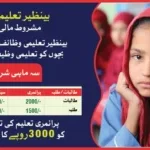
The Ehsaas Program is one of Pakistan’s largest social protection initiatives aimed at reducing poverty, supporting vulnerable families, and improving financial inclusion. In recent years, data analytics has become the backbone of this program, helping the government ensure transparency, efficiency, and fair distribution of resources.

By leveraging modern data systems, the program has shifted from traditional welfare methods to a more data-driven, targeted, and accountable system.

What is the Ehsaas Program?

The Ehsaas Program is a government-led poverty alleviation initiative designed to support low-income households through cash transfers, scholarships, emergency aid, and health support.

Its main goals include:

  • Reducing poverty across Pakistan
  • Supporting women-led households
  • Improving education and nutrition access
  • Ensuring transparent financial aid distribution

However, what makes Ehsaas stand out is its strong reliance on data analytics and digital systems.

Role of Data Analytics in Ehsaas Program

Data analytics plays a central role in identifying eligible beneficiaries, preventing fraud, and improving decision-making. Instead of manual selection, the system now depends on real-time data processing and intelligent analysis.

1. Identifying Eligible Families

One of the biggest challenges in welfare programs is ensuring that only deserving people receive aid. Data analytics solves this problem by:

  • Analyzing household income data
  • Evaluating poverty scores (Proxy Means Test)
  • Cross-checking national databases (CNIC records, utility bills, tax data)

This ensures that financial assistance reaches the most vulnerable families only.

2. Fraud Detection and Transparency

Data analytics helps detect irregularities such as:

  • Duplicate beneficiary entries
  • Fake CNIC registrations
  • Unqualified applicants receiving payments

Advanced algorithms flag suspicious patterns, helping authorities maintain transparency and accountability.

3. Real-Time Monitoring of Funds

Through digital dashboards, officials can monitor:

  • Cash distribution status
  • Regional fund allocation
  • Pending or completed payments

This real-time tracking reduces delays and ensures smooth operations across the country.

4. Improving Decision-Making

Data collected from millions of citizens allows policymakers to:

  • Identify poverty hotspots
  • Adjust budget allocations
  • Improve program design

For example, if one region shows higher poverty rates, additional support can be quickly redirected.

Big Data Sources Used in Ehsaas Program

The success of data analytics in the Ehsaas system depends on multiple data sources, including:

  • NADRA database (identity verification)
  • Poverty score surveys
  • Mobile wallet transactions
  • Bank account data
  • Utility consumption records
  • Household socioeconomic surveys

By combining these datasets, the system creates a complete digital profile of each applicant.

Proxy Means Test (PMT) Score System

One of the most important tools in Ehsaas data analytics is the Proxy Means Test (PMT).

This system assigns a poverty score to each household based on:

  • Income level
  • Family size
  • Assets (land, vehicles, etc.)
  • Education level
  • Living conditions

Families with lower PMT scores are prioritized for financial assistance. This reduces human bias and ensures fairness.

Benefits of Data Analytics in Ehsaas Program

1. Transparency

Digital systems reduce corruption and manual interference.

2. Efficiency

Automation speeds up registration and payment processes.

3. Accuracy

Data-driven selection ensures that only eligible families are included.

4. Cost Reduction

Less manual work means lower administrative costs.

5. Better Policy Making

Government can design smarter welfare strategies using real insights.

Challenges in Data Analytics Implementation

Despite its success, the system still faces some challenges:

  • Incomplete or outdated citizen data
  • Limited digital literacy in rural areas
  • Technical infrastructure limitations
  • Data privacy concerns
  • Integration issues between databases

Addressing these challenges is essential for improving future outcomes.

Future of Data Analytics in Ehsaas Program

The future of the Ehsaas Program lies in advanced analytics, artificial intelligence, and machine learning. Expected improvements include:

  • AI-based poverty prediction models
  • Mobile-based real-time eligibility checks
  • Blockchain-based payment verification
  • Enhanced fraud detection systems
  • Predictive analysis for poverty trends

These innovations will make the system even more efficient and transparent.

Conclusion

Data analytics has completely transformed the way the Ehsaas Program operates. From identifying deserving families to preventing fraud and improving policy decisions, data-driven systems have made social welfare more transparent and effective in Pakistan.

As technology continues to evolve, the integration of AI and big data will further strengthen the program, ensuring that financial support reaches those who need it most—quickly, fairly, and efficiently.


Comments

No comments yet. Why don’t you start the discussion?

Leave a Reply

Your email address will not be published. Required fields are marked *