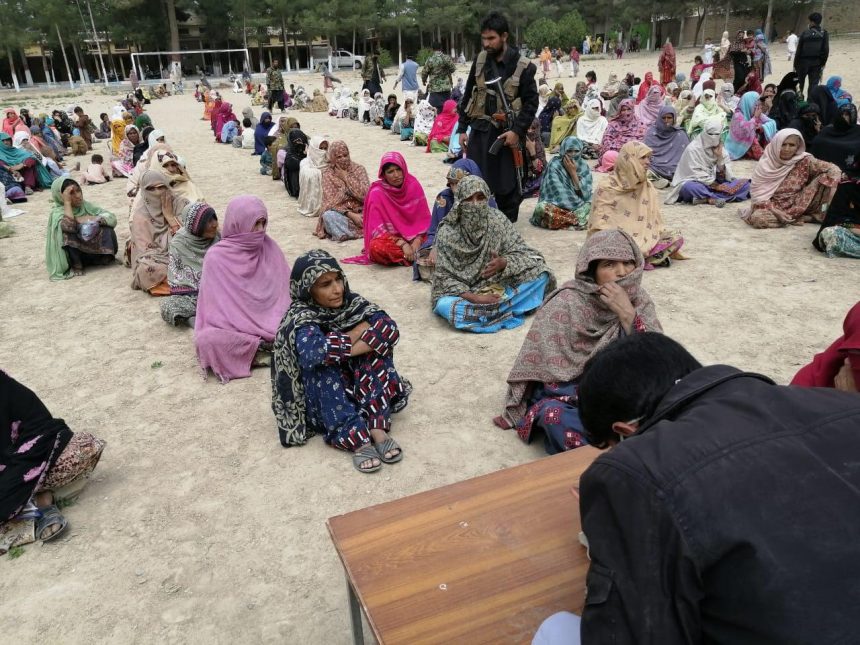

The PM’s Ehsaas Programme is one of Pakistan’s largest social welfare initiatives, designed to reduce poverty, support vulnerable families, and improve financial inclusion. But despite its wide reach and popularity, an important debate continues: Is the Ehsaas Programme a real solution to poverty, or does it create new challenges?
In this article, we will explore both sides of the discussion in a clear, balanced, and SEO-optimized way.
What is the Ehsaas Programme?
The Ehsaas Programme was launched by the Government of Pakistan as a poverty alleviation and social protection initiative. It aims to support low-income families through financial aid, scholarships, health assistance, and emergency cash transfers.
Key features include:
- Cash support for poor families
- Educational scholarships for students
- Health and nutrition assistance
- Interest-free loans for small businesses
- Emergency relief during crises (like COVID-19)
The program uses digital systems like CNIC verification and online registration to ensure transparency and reduce corruption.
Ehsaas Programme as a Solution
Supporters strongly believe that the Ehsaas Programme is a major step toward reducing poverty in Pakistan. Here’s why:
1. Financial Relief for the Poor
Millions of families struggle with rising inflation and unemployment. The Ehsaas cash transfers provide immediate relief for basic needs like food, electricity, and education.
2. Support for Education
Through initiatives like scholarships and stipends, the program helps students continue their education, especially girls in rural areas. This improves long-term social development.
3. Digital Transparency
The use of CNIC-based tracking and SMS verification reduces corruption and ensures that aid reaches the right people.
4. Empowering Women
A large portion of financial assistance is given directly to women, increasing their financial independence and decision-making power within households.
5. Crisis Support
During emergencies such as COVID-19, the programme played a key role in distributing rapid financial aid to millions of affected families.
Challenges and Criticism: Is It Really Effective?
Despite its benefits, the Ehsaas Programme also faces criticism. Some experts argue that it is not a complete solution to poverty but rather a temporary relief system.
1. Temporary Assistance Only
One major concern is that cash support does not create permanent income sources. Families may depend on aid instead of becoming self-sufficient.
2. Identification Issues
Some deserving families report difficulties in registration or verification, while in some cases, non-eligible individuals may still receive benefits due to system gaps.
3. Limited Job Creation
The programme mainly focuses on financial assistance, but it does not directly solve unemployment or create enough job opportunities for long-term stability.
4. Inflation Impact
With rising inflation in Pakistan, the amount of aid sometimes becomes insufficient to cover basic needs, reducing its overall effectiveness.
5. Political Debate
Like many welfare programs, Ehsaas is also criticized for being used as a political tool rather than a purely social initiative.
Economic Perspective: Relief vs Development
From an economic point of view, the Ehsaas Programme works more as a social safety net rather than a poverty elimination engine.
- Short-term impact: Provides immediate relief and prevents extreme poverty
- Long-term impact: Limited unless combined with job creation and economic reforms
Experts suggest that welfare programs must be supported by industrial growth, education reform, and employment opportunities to create real change.
Social Impact of Ehsaas Programme
Despite criticism, the programme has brought visible improvements in many communities:
- Reduced hunger in low-income households
- Increased school enrollment in poor areas
- Improved access to financial support during crises
- Greater awareness of digital financial systems
For many families, Ehsaas is not just a programme—it is a lifeline.
Is Ehsaas a Problem or a Solution?
The answer is not simple.
The Ehsaas Programme is not a problem, but it is also not a complete solution. Instead, it works as a support system that helps people survive economic hardship.
In simple terms:
- ✔ It solves immediate financial problems
- ✖ It does not fully eliminate poverty
- ✔ It supports education and women empowerment
- ✖ It needs stronger economic integration for long-term success
Final Verdict
The PM’s Ehsaas Programme is best understood as a short-term relief strategy with long-term potential. It plays a crucial role in protecting vulnerable populations, but it cannot replace economic development, job creation, and structural reforms.
For Pakistan to truly overcome poverty, programmes like Ehsaas must work alongside:
- Strong employment policies
- Small business development
- Better education systems
- Sustainable economic planning
Only then can Ehsaas evolve from a support system into a stepping stone toward real economic independence.
Conclusion
So, is the Ehsaas Programme a problem or a solution?
It is a partial solution with powerful social impact but limited long-term transformation. Its success depends on how well it is integrated into broader economic policies in the future.
If improved and expanded wisely, the Ehsaas Programme can become one of Pakistan’s strongest tools against poverty.