
Introduction
The Ehsaas Programme is one of Pakistan’s largest social protection initiatives, designed to reduce poverty, support vulnerable households, and ensure transparent financial assistance delivery. Recently, the Economic Coordination Committee (ECC) has directed the Finance Division (FD) to conduct a thorough appraisal of the programme’s utilization. This move highlights growing concerns about efficiency, transparency, and the impact of public spending under the initiative.
This article explains what the ECC decision means, why the appraisal is important, and how it may affect the future of the Ehsaas Programme in Pakistan.
What is the Ehsaas Programme?
The Ehsaas Programme is a flagship social welfare initiative launched to provide financial support to low-income families across Pakistan. It includes multiple sub-programs such as:
- Cash transfers for underprivileged families
- Scholarships for students
- Emergency financial assistance
- Health and nutrition support
- Interest-free loans for small businesses
The core goal is to create a stronger social safety net and reduce inequality through targeted financial inclusion.
ECC’s Recent Directive: Why It Matters
The Economic Coordination Committee (ECC) recently instructed the Finance Division to carry out a detailed and comprehensive appraisal of the Ehsaas Programme’s utilization. This decision is significant for several reasons:
1. Ensuring Proper Use of Funds
Public funds allocated to social welfare programmes must be used efficiently. The appraisal aims to examine whether the financial resources are reaching the right beneficiaries without leakage or misuse.
2. Evaluating Program Performance
The ECC wants a clear picture of how effectively the programme is achieving its objectives. This includes assessing poverty reduction impact, beneficiary coverage, and long-term sustainability.
3. Improving Transparency
Transparency is a key concern in large-scale welfare initiatives. A detailed appraisal can help identify gaps in data management, payment systems, and beneficiary selection processes.
4. Policy Adjustment Needs
Based on the findings, the government may refine policies, restructure components, or introduce new mechanisms to improve delivery.
Key Focus Areas of the Appraisal
The Finance Division’s evaluation is expected to cover several important aspects of the Ehsaas Programme:
1. Beneficiary Identification System
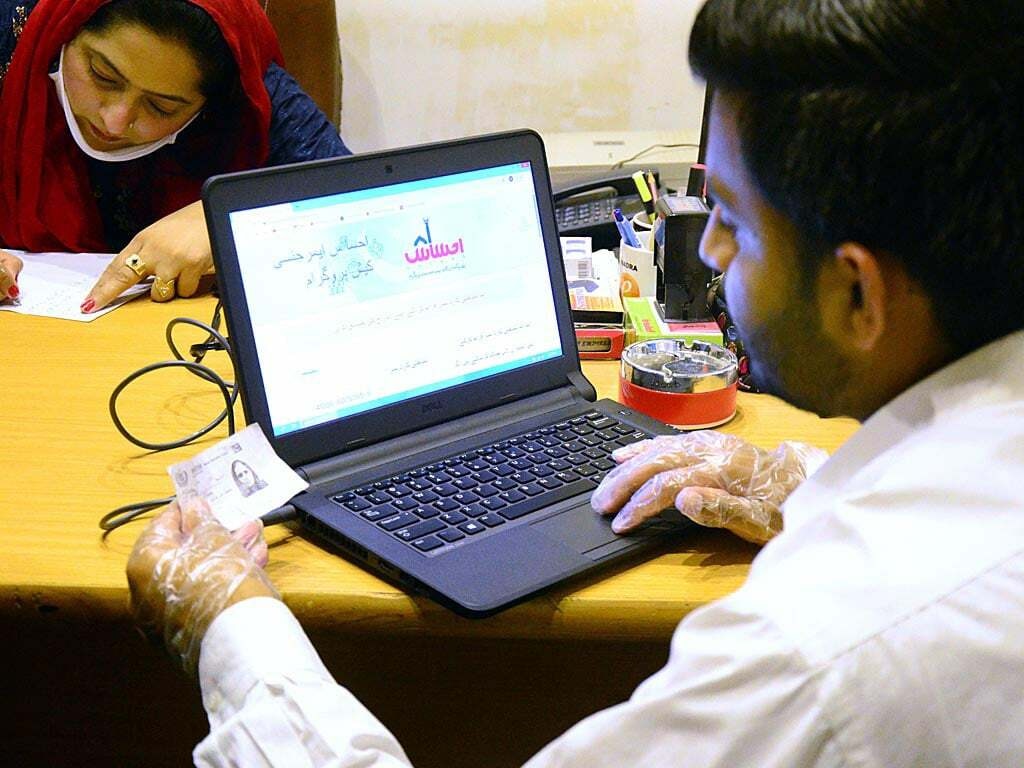
One of the critical components is the targeting mechanism used to identify eligible households. The appraisal will likely assess whether the National Socio-Economic Registry (NSER) data is accurate and up to date.
2. Fund Distribution Efficiency
How quickly and effectively financial assistance is delivered to beneficiaries is another major focus. Delays or technical issues in payment systems can significantly reduce program effectiveness.
3. Regional Coverage and Equity
The ECC is also expected to examine whether all regions—especially rural and underdeveloped areas—are receiving fair support under the programme.
4. Administrative Costs
High administrative expenses can reduce the overall impact of welfare programmes. The appraisal may review whether operational costs are justified.
5. Monitoring and Accountability
Strong monitoring systems are necessary to ensure accountability. The review may highlight weaknesses in tracking, reporting, or auditing mechanisms.
Importance of Program Utilization Review
A utilization review is not just a financial exercise—it plays a vital role in strengthening governance and improving public welfare delivery.
Better Resource Allocation
By identifying inefficiencies, the government can redirect funds toward more impactful areas such as education, healthcare, and direct cash assistance.
Increased Public Trust
When citizens see that public funds are being carefully monitored, trust in government welfare systems increases.
Enhanced Program Impact
A well-evaluated programme ensures that assistance reaches deserving families, maximizing its social and economic impact.
Challenges Faced by the Ehsaas Programme
Despite its achievements, the Ehsaas Programme faces several ongoing challenges:
- Data inaccuracies in beneficiary records
- Limited digital access in remote areas
- Fraud or duplication in some cases
- Inflation reducing the real value of cash assistance
- Coordination issues between federal and provincial systems
The ECC-directed appraisal aims to address these challenges systematically.
Possible Outcomes of the ECC Review
The thorough evaluation by the Finance Division could lead to several outcomes:
1. Program Optimization
Improvements in data systems, payment mechanisms, and outreach strategies.
2. Policy Reforms
New eligibility rules or updated targeting criteria for better inclusion of deserving families.
3. Digital Transformation
Increased reliance on digital systems for registration, verification, and payment distribution.
4. Strengthened Accountability
Enhanced auditing systems to reduce misuse and improve transparency.
Impact on Beneficiaries
For beneficiaries, this review could bring both short-term adjustments and long-term benefits:
- More accurate identification of eligible households
- Faster and more reliable payment systems
- Reduced chances of fraud or exclusion errors
- Improved service delivery in remote regions
Overall, the goal is to ensure that assistance reaches those who need it most without delays or complications.
Conclusion
The ECC’s directive for a thorough appraisal of Ehsaas Programme utilization marks an important step toward strengthening Pakistan’s social protection framework. By evaluating fund utilization, system efficiency, and beneficiary impact, the Finance Division can help refine one of the country’s most important welfare initiatives.
In the long run, this review is expected to improve transparency, enhance program efficiency, and ensure that financial assistance reaches the right people at the right time. The success of this appraisal could play a key role in shaping the future of social welfare delivery in Pakistan.